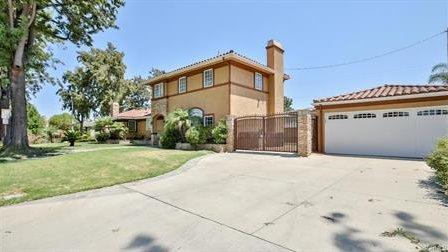
A 1031 exchange can help investors defer capital gains taxes when they sell one investment property and buy another, but the rules are strict and the clock is unforgiving. If you are considering the auction of 4704 E Centralia St as a possible replacement property, timing matters. This article offers a general overview and a checklist of questions to take to your advisors.
A Quick Primer
Under Section 1031 of the Internal Revenue Code, an investor who sells qualifying real property held for investment or business use may be able to reinvest the proceeds in similar property and defer certain taxes. The details are technical, and eligibility depends on your circumstances. A qualified intermediary and a tax professional are essential.
The Two Clocks That Matter
Two deadlines drive nearly every exchange:
- The identification period: Generally 45 days from the sale of your relinquished property to identify potential replacement properties in writing.
- The exchange period: Generally 180 days from the sale to complete the purchase of the replacement property.
These periods run at the same time and typically cannot be extended. Because of that, many exchange investors look for opportunities with a clear, defined schedule.
Why Auction Timelines Appeal to Exchange Buyers
An auction has a published date, a set bidding window, and clear terms. That predictability can help investors line up identification and closing. The auction for this property takes place on December 9, 2026, with bidding from 8:00 AM to 12:00 PM PST. If you have already sold a property or have a sale in progress, you can compare that date against your own deadlines.
Questions to Ask Before You Bid
- Where am I on my timeline? Count the days since your sale closed.
- Can I identify this property in time? Confirm how and when to submit your written identification.
- What is the closing timeline after the auction? Ask the listing team how long the closing period typically runs.
- How will funds flow? Your qualified intermediary must hold the proceeds, so coordinate with escrow early.
- Does the property qualify? Discuss with your tax advisor whether and how this purchase meets exchange requirements.
Important Caution About Use
Exchange rules generally require replacement property to be held for investment or business use. A residence you intend to live in may not qualify. Because the estate is a single-family home, your advisor will need to evaluate how your plans fit the rules.
Building Your Team
A successful exchange usually involves a qualified intermediary, a tax advisor, a real estate attorney, an escrow officer, and an agent who understands the timeline. Bring them together before you bid.
The Property
The estate offers 4 bedrooms, 4 full bathrooms, and 2,558 square feet on a 9,368 square foot corner lot, with a chef's kitchen, two stacked-stone fireplaces, a spa-inspired primary bath, a detached bonus structure, and a dual address (4704 E Centralia St and 4450 Graywood Ave).
Auction Information
The estate is scheduled for live online auction on December 9, 2026, with a starting bid of $1,604,000 and bidding from 8:00 AM to 12:00 PM PST (MLS #PW26069642). Listing agents Sophia Luu and Karen Ngoc Lang Luu of Century Financial Group can answer your questions and arrange a private showing.
Consult with an exchange specialist or agent to see whether the timeline fits your plan.
A Sample Planning Timeline
Suppose your relinquished property closed several weeks ago. Start by counting the days used so far, then list your remaining deadlines on a calendar. Mark the date for written identification, the date of the auction, and the outside date for closing the purchase. Share that calendar with your intermediary, agent, and advisors so everyone works from the same dates. A shared timeline reduces mistakes and keeps the exchange on track.
This article is general information only and is not tax, legal, or financial advice. 1031 rules are complex, so consult qualified professionals about your situation.